
Waste Management: A Complete Guide to Sustainable Waste Disposal and Environmental Protection
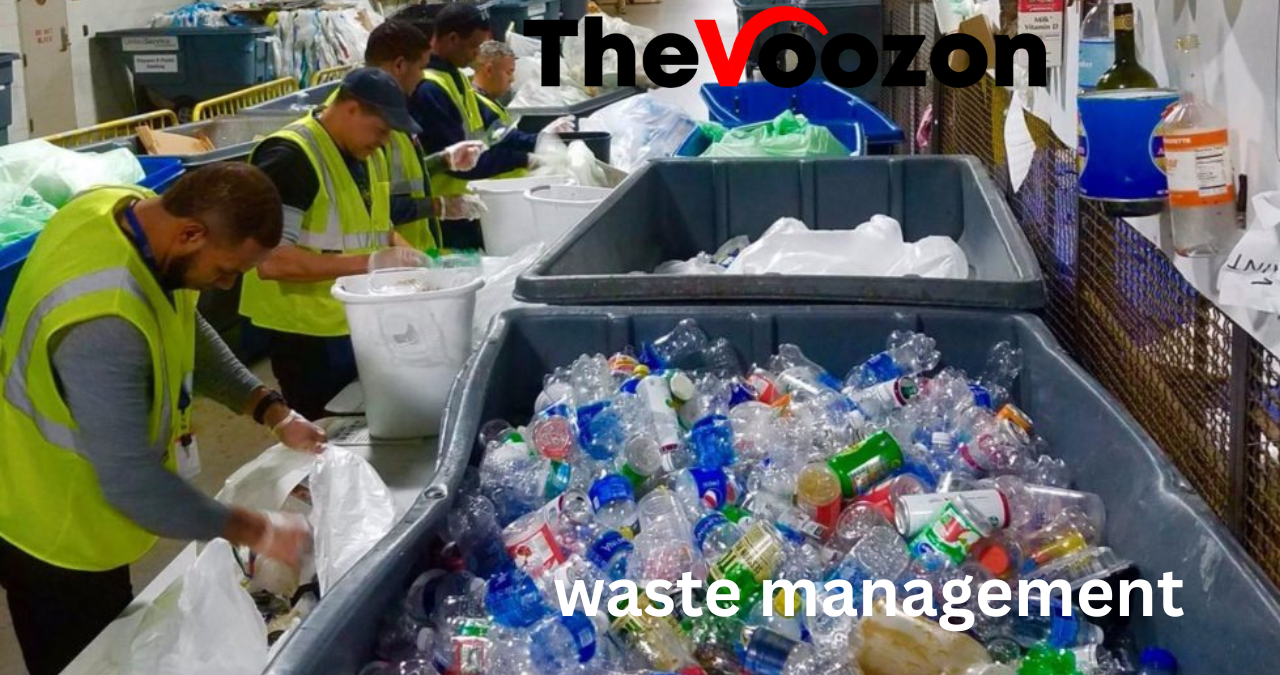
Waste management has become one of the most important topics in today’s world as growing populations and rapid urbanization continue to increase the amount of waste produced every day. From households and businesses to industries and healthcare facilities, waste is generated in countless forms, making proper essential for protecting public health and preserving natural resources.
Effective waste management is much more than simply collecting garbage. It involves the systematic process of reducing, collecting, transporting, treating, recycling, and safely disposing of waste. When managed correctly, helps minimize pollution, conserves valuable resources, supports economic growth, and creates healthier communities.
Many countries are investing in modern systems to address environmental challenges such as overflowing landfills, plastic pollution, greenhouse gas emissions, and contaminated water sources. At the same time, individuals also play a significant role by practicing responsible waste disposal, reducing unnecessary consumption, and supporting recycling initiatives.
This comprehensive guide explains everything you need to know about waste management, including its importance, different types, methods, benefits, challenges, and future trends. Whether you are a homeowner, business owner, student, or environmental enthusiast, understanding waste management can help you make better decisions that positively impact both society and the environment.
Understanding Waste Management
Waste management refers to the organized process of handling waste from the moment it is created until its final disposal or recovery. The primary objective is to minimize environmental damage while maximizing the efficient use of available resources.
Modern includes planning, collection, transportation, sorting, recycling, treatment, energy recovery, and final disposal. Governments, municipalities, private companies, and individuals all contribute to maintaining effective waste management systems.
As cities continue to expand, the volume of waste increases significantly. Without proper, communities may experience pollution, disease outbreaks, unpleasant living conditions, and increased greenhouse gas emissions. This makes efficient one of the foundations of sustainable development.
Why Waste Management Matters
Proper waste management benefits people, businesses, and the environment in numerous ways. Every item that is recycled, composted, or disposed of responsibly contributes to cleaner surroundings and healthier ecosystems.
One of the biggest advantages of is pollution prevention. Improper disposal allows harmful substances to enter rivers, lakes, oceans, and groundwater. Proper treatment significantly reduces these environmental risks.
Another important benefit is resource conservation. Many products such as paper, glass, plastic, and metals can be recycled and transformed into new materials. This reduces the demand for raw resources while saving energy during manufacturing.
Waste management also supports public health. Proper collection and disposal reduce exposure to disease-causing bacteria, insects, rodents, and hazardous chemicals that can threaten communities.
Economic growth is another positive outcome. Recycling industries, waste collection services, composting facilities, and waste-to-energy plants create employment opportunities while supporting local economies.
Different Types of Waste
Understanding different waste categories helps improve practices and ensures that each material receives appropriate treatment.
Municipal Solid Waste
Municipal solid waste includes everyday household garbage generated by homes, offices, schools, restaurants, and commercial buildings. This category often contains food scraps, packaging materials, paper products, plastics, textiles, and yard waste.
Proper waste management for municipal waste focuses heavily on recycling, composting, and sanitary landfill disposal.
Industrial Waste
Factories and manufacturing facilities generate industrial waste during production processes. This may include chemicals, metals, packaging materials, wastewater, and construction debris.
Industrial often requires specialized treatment methods to ensure environmental compliance and worker safety.
Hazardous Waste
Hazardous waste contains substances that may be toxic, flammable, corrosive, or reactive. Examples include batteries, pesticides, solvents, paints, and certain cleaning chemicals.
Effective waste management for hazardous materials involves strict regulations, specialized storage, secure transportation, and certified disposal facilities.
Medical Waste
Hospitals, clinics, laboratories, and healthcare facilities generate medical waste, including used syringes, contaminated gloves, pharmaceuticals, and biological materials.
Medical waste management protects healthcare workers, patients, and the public from infectious diseases while preventing environmental contamination.
Electronic Waste
Electronic waste includes discarded computers, smartphones, televisions, printers, batteries, and household appliances.
As technology evolves rapidly, electronic waste management has become increasingly important because many electronic devices contain valuable metals alongside hazardous substances.
The Waste Management Process
Waste management follows a structured sequence designed to maximize efficiency and minimize environmental harm.
Waste generation begins when households, businesses, or industries discard unwanted materials. These materials are then collected by services according to scheduled collection routes.
After collection, waste is transported to transfer stations or processing facilities where sorting begins. Recyclable materials such as aluminum, paper, plastic, and glass are separated from non-recyclable waste.
Organic waste may be sent to composting facilities where microorganisms convert food scraps and garden waste into nutrient-rich compost suitable for agriculture and landscaping.
Remaining waste is treated using appropriate technologies before final disposal in engineered landfills or waste-to-energy facilities.
Each stage of plays an essential role in reducing environmental impact while recovering valuable resources.
Modern Waste Management Methods
Today’s waste management industry relies on several advanced methods to handle growing waste volumes efficiently.
Recycling
Recycling is one of the most effective waste management strategies available today. Instead of sending valuable materials to landfills, recyclable items are processed into raw materials that manufacturers use to create new products.
Paper, cardboard, plastics, metals, and glass can often be recycled multiple times, reducing energy consumption and conserving natural resources.
Composting
Composting converts biodegradable waste into nutrient-rich organic fertilizer through natural decomposition.
Food scraps, fruit peels, leaves, grass clippings, and garden waste break down into compost that improves soil fertility while reducing landfill waste.
Landfills
Modern sanitary landfills are carefully engineered to minimize environmental risks. Protective liners, drainage systems, and methane collection equipment help prevent groundwater contamination and reduce greenhouse gas emissions.
Although landfills remain necessary, effective waste management aims to reduce dependence on them through recycling and waste reduction initiatives.
Waste-to-Energy
Waste-to-energy facilities convert non-recyclable waste into electricity or heat using advanced thermal technologies.
This method reduces landfill requirements while generating renewable energy for homes and businesses. Proper emission control systems ensure environmental standards are maintained.
Challenges Facing Waste Management
Despite continuous improvements, still faces several challenges across the world. Rapid population growth, urban expansion, and changing consumer habits have significantly increased the amount of waste generated every year. Cities often struggle to keep up with this growing demand, leading to overflowing landfills and increased environmental pressure.
Plastic pollution remains one of the biggest concerns in modern waste management. Single-use plastics are widely used because they are inexpensive and convenient, but they can take hundreds of years to decompose. Much of this plastic eventually reaches rivers and oceans, where it threatens marine life and damages ecosystems.
Another challenge is the lack of public awareness. Many people still dispose of recyclable or hazardous materials incorrectly because they are unfamiliar with proper practices. Educational campaigns and community participation are essential for improving recycling rates and reducing contamination in waste streams.
Developing countries also face financial and infrastructure limitations. In many regions, waste collection services are incomplete, recycling facilities are limited, and open dumping remains common. Investing in modern infrastructure and policy development can significantly improve outcomes.
Climate change has added another layer of complexity. Landfills produce methane, a greenhouse gas that contributes to global warming. Reducing organic waste in landfills through composting and better practices helps lower these emissions while creating useful products from biodegradable materials.
Sustainable Waste Management Practices
Sustainability is at the heart of modern waste management. Instead of focusing only on disposal, sustainable systems aim to prevent waste from being created in the first place while maximizing the value of materials that have already been produced.
Reducing consumption is one of the most effective approaches. Choosing durable products, avoiding unnecessary packaging, and repairing damaged items instead of replacing them can significantly decrease the amount of waste generated.
Reusing products extends their useful life and reduces demand for new manufacturing. Glass jars, shopping bags, furniture, clothing, and electronic devices often have multiple uses before they reach the end of their lifecycle.
Recycling remains a cornerstone of sustainable waste management. By separating recyclable materials correctly, households and businesses help conserve natural resources while reducing landfill use.
Composting organic materials transforms kitchen scraps and garden waste into valuable fertilizer. This simple practice reduces methane emissions from landfills while improving soil quality for gardens and agriculture.
Businesses are also embracing circular economy principles, where products are designed for reuse, repair, and recycling instead of becoming waste after a single use. This approach supports long-term sustainability while creating new economic opportunities.
The Role of Technology in Waste Management
Technology has transformed waste management by making collection, sorting, recycling, and disposal more efficient than ever before.
Smart waste bins equipped with sensors can monitor fill levels and notify collection teams when they need to be emptied. This reduces unnecessary trips, lowers fuel consumption, and improves operational efficiency.
Artificial intelligence is increasingly used to identify and sort recyclable materials. Automated sorting systems improve accuracy while increasing the amount of material that can be recovered from mixed waste streams.
Data analytics also plays an important role in. Municipalities can analyze waste generation patterns, optimize collection routes, and allocate resources more effectively based on real-time information.
Advanced recycling technologies are making it possible to recover materials that were once considered unrecyclable. Chemical recycling, for example, breaks certain plastics down into their original components so they can be used again in manufacturing.
Waste-to-energy facilities continue to improve through cleaner combustion technologies and stricter emission controls, making energy recovery an increasingly viable component of integrated systems.
How Individuals Can Support Better Waste Managemen
Every person has the ability to contribute to effective waste management through simple daily habits. Small actions, when multiplied across millions of people, create significant environmental benefits.
Choosing reusable shopping bags, refillable water bottles, and durable containers helps reduce disposable waste. Purchasing products with minimal packaging also supports sustainable production practices.
Separating recyclable materials from household waste ensures that valuable resources can be recovered instead of ending up in landfills. Learning local recycling guidelines helps prevent contamination that may reduce recycling efficiency.
Food waste can be minimized by careful meal planning, proper food storage, and using leftovers creatively. Composting unavoidable organic waste further supports environmentally responsible waste management.
Supporting companies that prioritize sustainable packaging and environmentally friendly manufacturing encourages businesses to invest in greener practices. Consumer choices often influence corporate decisions regarding waste reduction.
Community clean-up events, recycling programs, and environmental education initiatives also strengthen local waste management efforts while promoting environmental responsibility among residents.
The Future of Waste Management
The future of waste management is focused on sustainability, innovation, and resource recovery. Governments, businesses, and researchers are working together to develop systems that generate less waste while recovering more valuable materials.
Circular economy models are expected to become increasingly common, encouraging manufacturers to design products that last longer, can be repaired easily, and are fully recyclable at the end of their life.
Biodegradable packaging materials are replacing conventional plastics in many industries, reducing long-term environmental pollution and supporting sustainable waste management.
Digital technologies, robotics, and artificial intelligence will continue improving recycling accuracy and operational efficiency. These innovations make waste management more cost-effective while increasing recycling rates.
Public awareness is also expected to grow as environmental education becomes more widespread. Consumers are becoming increasingly interested in sustainable lifestyles, responsible consumption, and environmentally friendly waste management solutions.
International cooperation will remain essential as countries work together to reduce plastic pollution, improve recycling infrastructure, and achieve global sustainability goals.
Conclusion
Waste management is far more than simply disposing of unwanted materials. It is a comprehensive system that protects public health, conserves natural resources, supports economic development, and preserves the environment for future generations.
As waste generation continues to increase worldwide, effective waste management becomes even more critical. Governments, businesses, communities, and individuals all share responsibility for reducing waste, improving recycling, supporting sustainable practices, and embracing innovative technologies.
Every responsible decision—from reducing unnecessary purchases to recycling properly and composting organic materials—contributes to a cleaner planet. By understanding the importance of waste management and taking practical action, we can build healthier communities while protecting the Earth’s valuable resources for years to come.
Suggested Internal Links
Read our guide on Recycling Tips for Every Household to learn simple ways to improve your recycling habits.
Explore our article on Sustainable Living Practices for practical ideas to reduce your environmental footprint.
Check out our Green Business Strategies guide to discover how organizations can improve sustainability.
External Resources
For global waste statistics and sustainability guidance, visit the United Nations Environment Programme (UNEP) at .
Learn about waste reduction and recycling from the U.S. Environmental Protection Agency (EPA) at.
Explore international environmental initiatives through the World Bank at.
Frequently Asked Questions
What is waste management?
Waste management is the process of collecting, transporting, treating, recycling, and safely disposing of waste to protect human health and the environment while conserving valuable resources.
Why is waste management important?
Waste management reduces pollution, prevents the spread of diseases, conserves natural resources, supports recycling, lowers greenhouse gas emissions, and creates cleaner, healthier communities.
What are the main types of waste management?
The primary methods include waste reduction, reuse, recycling, composting, waste-to-energy conversion, and sanitary landfill disposal. Each method helps manage different types of waste effectively.
How can households improve waste management?
Households can improve waste management by separating recyclable materials, reducing single-use plastics, composting food waste, purchasing reusable products, and following local recycling guidelines.
What is the future of waste management?
The future of waste management focuses on circular economy principles, advanced recycling technologies, smart waste collection systems, biodegradable materials, and greater public awareness to reduce environmental impact.