
Busy Board: The Ultimate Learning Toy for Toddlers and Young Children
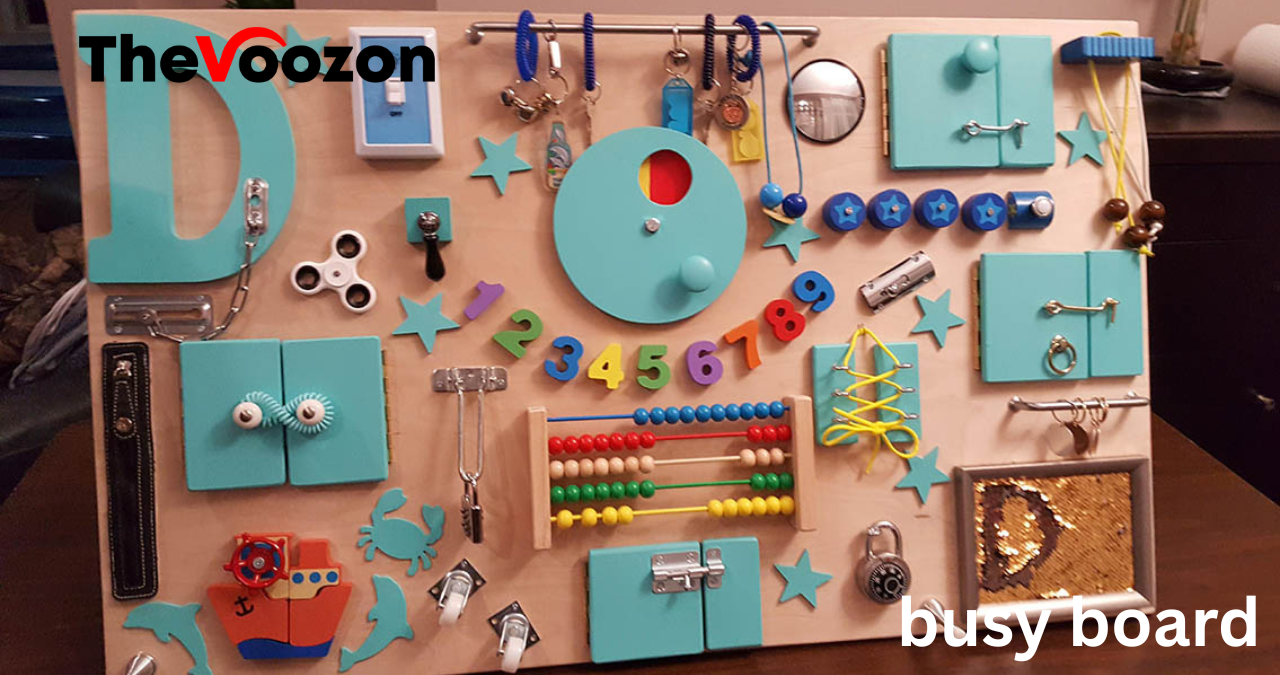
Parents today are constantly searching for toys that are both entertaining and educational. A has become one of the most popular choices because it combines play and learning in a single activity center. Designed with various interactive elements such as buttons, zippers, latches, gears, and switches, a busy board encourages children to explore, solve problems, and develop important life skills.
Unlike many electronic toys that provide passive entertainment, a inspires hands-on learning. Children naturally enjoy touching, moving, and experimenting with different objects. This curiosity helps improve fine motor skills, hand-eye coordination, and cognitive development. Whether you purchase a ready-made version or create one yourself, a busy board can become an essential learning tool during the early years of childhood.
What Is a Busy Board?
A busy board is an activity board filled with everyday objects that children can safely manipulate. It may include locks, knobs, buckles, beads, wheels, and sensory items that encourage exploration and independent play.
The concept behind a busy board comes from the Montessori philosophy, which emphasizes hands-on experiences and practical life skills. Instead of simply watching lights flash or listening to sounds, children actively engage with the objects on the board and learn through experimentation.
Parents and educators appreciate a because it transforms ordinary household items into exciting educational activities. Children remain entertained while developing important developmental skills.
Why a Busy Board Is Beneficial for Child Development
A busy board offers much more than entertainment. Every activity on the board contributes to a child’s physical, cognitive, and emotional growth.
Improves Fine Motor Skills
Toddlers need opportunities to strengthen the small muscles in their hands and fingers. Turning knobs, opening locks, and fastening buckles help develop these essential skills.
Fine motor development plays a major role in later activities such as writing, drawing, and using utensils. A busy board provides daily practice in a fun and engaging way.
Encourages Problem-Solving Skills
Every latch, zipper, and switch presents a small challenge. Children naturally experiment until they discover how each mechanism works.
This process strengthens critical thinking and encourages persistence. A busy board teaches children that mistakes are part of learning and that solutions can be found through exploration.
Supports Sensory Development
Many activity boards include materials with different textures, colors, and shapes. Children enjoy touching smooth surfaces, spinning wheels, and pressing buttons.
These sensory experiences stimulate brain development and improve a child’s understanding of the world around them.
Promotes Independent Play
A well-designed keeps children engaged without requiring constant adult supervision. Independent play helps build confidence and teaches children to entertain themselves creatively.
As children gain new skills, they become more comfortable exploring and solving challenges on their own.
Different Types of Busy Board Designs
The popularity of the busy board has inspired many different styles and designs. Parents can choose a version that best suits their child’s age and interests.
Montessori Busy Board
A Montessori-inspired board focuses on practical life activities. It often includes locks, laces, zippers, and buttons that help children learn everyday skills.
Sensory Busy Board
This version emphasizes textures, colors, and tactile experiences. It may include fabrics, bells, and soft materials that stimulate sensory development.
Travel Busy Board
Travel-friendly activity boards are lightweight and portable. They are ideal for keeping children entertained during car rides, flights, or restaurant visits.
Themed Busy Board
Some parents create boards based on specific themes such as animals, vehicles, or outer space. Themed designs make learning even more exciting and encourage imaginative play.
How a Busy Board Supports Montessori Learning
The Montessori method encourages children to learn through direct experiences and independent exploration. A perfectly aligns with these principles.
Children naturally enjoy activities that imitate real-life tasks. Opening a latch or turning a key gives them a sense of accomplishment and responsibility.
Montessori educators often recommend a because it helps children practice concentration and coordination while building confidence in their abilities.
Choosing the Best Busy Board for Your Child
Selecting the right depends on your child’s age and developmental stage.
For younger toddlers, simple boards with large pieces and bright colors work best. Older children may enjoy more complex activities that include puzzles, gears, and intricate locking systems.
Safety should always be the top priority. Look for high-quality materials, smooth edges, and securely attached components. A durable busy board can provide years of educational value.
DIY Busy Board Ideas
Many parents enjoy making their own because it allows complete customization. Creating a homemade version can also be more affordable.
You can include items such as:
Door latches and locks.
Light switches and buttons.
Zippers and shoelaces.
Small wheels and gears.
Velcro strips and beads.
When designing a busy board, make sure all components are securely attached and free of sharp edges or choking hazards.
Busy Board Activities That Children Love
One reason the busy board remains so popular is its ability to hold a child’s attention for extended periods. The variety of activities ensures there is always something new to explore.
Children enjoy unlocking doors, spinning wheels, opening containers, and experimenting with moving parts. These simple activities provide endless opportunities for learning.
Because each section offers a unique challenge, children stay engaged and continue developing important skills through repetition.
The Educational Value of a Busy Board
Educational toys should inspire creativity, curiosity, and active participation. A busy board achieves all of these goals.
Through repeated play, children learn cause and effect relationships. They discover that pushing a button produces a result or that turning a knob changes something.
This understanding forms the foundation for more advanced learning concepts in the future.
A busy board also helps develop memory and concentration. Children often remember how certain mechanisms work and eagerly repeat successful actions.
Busy Board and Language Development
Although many people focus on physical skills, a busy board can also support language development.
Parents often talk with children while they play. They describe colors, shapes, and actions, introducing new vocabulary in a natural setting.
Phrases like “open the lock,” “turn the wheel,” or “close the zipper” help children connect words with actions, improving language comprehension.
When Should Children Start Using a Busy Board?
Many experts recommend introducing a busy board around six months of age, depending on the design and safety features.
Simple sensory boards can engage infants, while more advanced boards are suitable for toddlers and preschool-aged children.
As children grow, parents can add more challenging activities to maintain interest and support continued development.
How a Busy Board Reduces Screen Time
Modern parents often struggle to limit screen exposure. A busy board offers an excellent alternative by encouraging active and meaningful play.
Children become absorbed in hands-on activities that stimulate creativity and concentration. Instead of passively watching a screen, they actively engage their minds and bodies.
This makes a busy board a valuable tool for promoting healthy developmental habits.
Safety Tips for Using a Busy Board
Safety should always remain a priority when selecting or creating a busy board.
Choose non-toxic materials and avoid small parts that may become choking hazards.
Inspect the board regularly to ensure all pieces remain securely attached.
Supervise younger children during play, especially when introducing new activities.
Following these precautions allows children to enjoy the benefits of a busy board safely.
Why Parents Love Busy Boards
Parents appreciate toys that combine education, entertainment, and practicality. A busy board meets all three requirements.
It encourages independent play, improves developmental skills, and keeps children engaged for long periods.
Because activity boards are available in various styles and price ranges, families can easily find an option that suits their needs and budget.
Conclusion
A busy board is much more than a simple toy. It is a powerful educational tool that supports fine motor development, problem-solving skills, sensory exploration, and independent learning. Whether purchased from a store or handmade at home, a busy board provides endless opportunities for discovery and growth.
As children manipulate locks, buttons, zippers, and switches, they gain confidence and develop important life skills that will benefit them for years to come. Investing in a high-quality busy board is an excellent way to encourage meaningful play and create enriching learning experiences during the early stages of childhood.
Frequently Asked Questions
What age is best for a busy board?
Most children can start using a simple busy board between six months and one year of age, depending on the board’s design and supervision.
Are busy boards safe for toddlers?
Yes. A properly designed busy board made with non-toxic materials and securely attached pieces is generally safe for toddlers.
Can I make my own busy board?
Absolutely. Many parents create DIY activity boards using household items such as locks, switches, and zippers.
Do busy boards help with learning?
Yes. A busy board improves fine motor skills, problem-solving abilities, sensory development, and independent play.
How long do children use a busy board?
Many children enjoy a busy board from infancy through preschool years, especially when new activities are added as they grow.